about us

Introduction
Indigenous Knowledge (IK) is foundational to Malawi’s culture, supporting vital sectors like agriculture, healthcare, and ecosystem conservation. Despite its proven efficacy in enabling communities to adapt and sustain themselves, conventional socio-economic models frequently overlook these local skills and practices. This exclusion often results in development initiatives that are unsustainable and non-inclusive.
Indigenous Knowledge for Development (IK4D) seeks to bridge this gap by integrating traditional wisdom with scientific approaches. By learning from local communities, IK4D aims to enhance the scalability, impact, and relevance of development pathways. This hybrid model ensures that initiatives are more equitable and transformative, particularly for the farthest behind, ultimately securing a sustainable and resilient future for both the society and its natural environment.
What is Indigenous Knowledge?
Herbal medicines are clear examples of Indigenous Knowledge in Malawi. These medicines are produced, shared, and sold across communities and have influenced people’s lives in many practical ways. This knowledge is largely tacit, difficult to codify, and passed through generations as traditional practice. Often called folk or local knowledge, it exists as knowledge systems embedded in cultural traditions. Indigenous Knowledge includes practices, beliefs, skills, insights, and experiences developed through long interaction with nature. It underpins governance, ecological stewardship, social ethics, language, spirituality, medicine, food systems, and livelihoods, shaping identity, survival, and a strong sense of place.
Why is Indigenous Knowledge Important?
Indigenous Knowledge is important because local communities have managed traditional resources sustainably for generations. Colonial policies, foreign influence, and imposed western worldviews disrupted these systems and weakened community resilience. This erosion caused loss of confidence, traditional skills, environmental care, and social balance in rural areas. Although western knowledge provides useful tools, it often ignores deep ecological understanding held by indigenous systems. As a result, many development initiatives fail to create lasting change. Recognising and integrating Indigenous Knowledge strengthens sustainability, restores balance, empowers communities, and supports development approaches that truly reflect Malawian realities and long term needs.
Guiding Principles
Strengthening networks of traditional practitioners and facilitating community exchanges will be key in supporting the dissemination and integration of IK.
IK4D will advocate for integration of IK into development process with key stakeholders to develop and implement with intentionality national policies that promote the use and protection of IK.
Our Core Values
| # | Core Value | Description |
|---|---|---|
| 1 | Harmony with Nature | Promoting balance and respectful coexistence with the natural environment. |
| 2 | Respect for Elders & Traditions | Honouring elders, indigenous wisdom, and traditional cultural practices. |
| 3 | Reciprocity | Fostering mutual respect, cooperation, and shared responsibility in relationships. |
| 4 | Environmental Responsibility | Safeguarding the environment for current and future generations. |
| 5 | Interconnectedness of Life | Recognising the link between people, culture, nature, and development. |
| 6 | Humility | Practising openness, respect, and willingness to learn from others. |
| 7 | Innovation | Encouraging creative and adaptive solutions grounded in indigenous knowledge. |
| 8 | Inclusivity | Ensuring participation, fairness, and respect for all community members. |
| 9 | Commitment to Learning | Supporting continuous learning and knowledge sharing. |
| 10 | Honesty | Upholding integrity, transparency, and ethical conduct. |
Key Features

Sustainable Food System
Local communities have lived in their villages for thousands or hundreds of years and have acted as foragers, growers and shapers of nature and that is why IK is key to sustainable food systems. These days, food production is the biggest driver of biodiversity loss and contributes heavily to climate change and pollution – the three components of the “triple planetary crisis” recognised by the United Nations as requiring resolutions if humanity is to create viable future on this planet. There is therefore, never been more need to establish how Indigenous and local knowledge can contribute to the building of resilient, sustainable and nutritious food systems in a way that is sustainable, resilient and equitable. Traditional agroforestry systems, crop diversification, and soil conservation methods can enhance food security and resilience to climate change.

Community Involvement
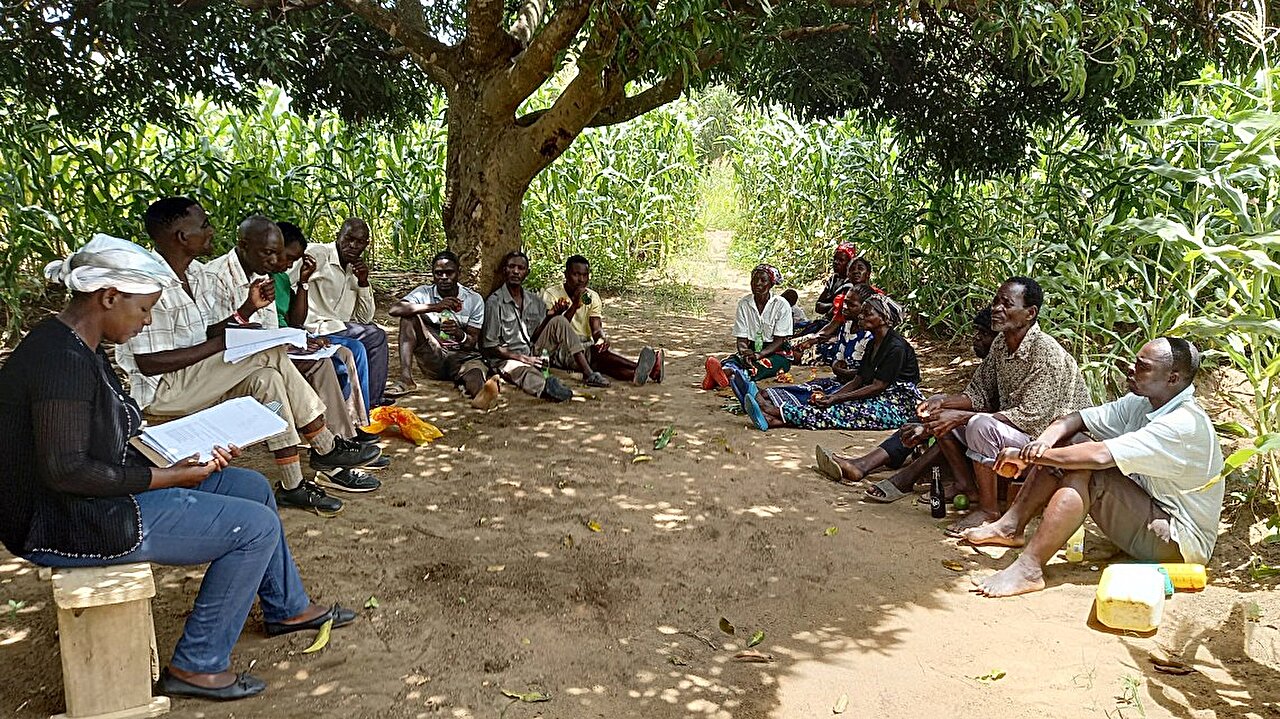
priority will be engaging local communities particularly in the assessment process and implementation of development projects. This will ensure that IK4D team is able to identify and understand the IK of that area so it is appropriately recognised and integrated.

IK & Scientific Knowledge Integration
people in local communities will provide critical input into research work and will be involved from the start. This will ensure long lasting, relevant and tangible benefits for the project beneficiaries. Weaving together IK with scientific knowledge will broaden the policy options for informed decision-making and improve local adaptation strategies.

Climate Change Adaptation
Indigenous knowledge, is developed over generations, provides crucial insights for climate change adaptation and mitigation. Local people, who often live in close connection with nature, have developed unique understandings of local ecosystems, weather patterns, and sustainable resource management practices that can inform broader climate strategies. As such IK4D considers IK to play a crucial role in local communities' ability to adapt to climate change, including recognizing changing climatic patterns and even in adjusting agricultural practices.
Disaster Risk Reduction
Indigenous knowledge can be used to understand and document early warning signs for floods and droughts, and improve the effectiveness of EWS.
Our Team

Jimmy Kawaye